
新闻中心
News Center
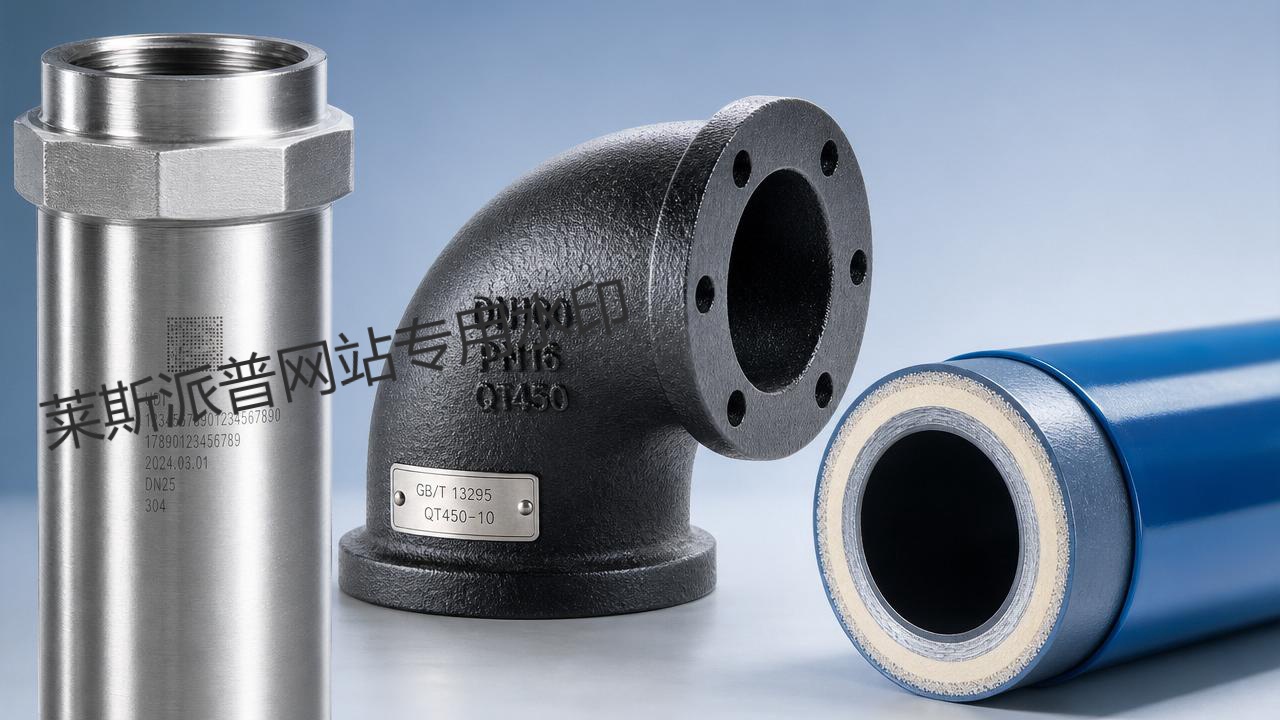
Effective June 1, 2026, China’s new Water Supply Regulation comes into force, imposing stricter compliance requirements on imported pipe materials used in municipal water infrastructure—particularly impacting overseas suppliers of stainless steel, ductile iron, and coated composite piping systems.
Regulatory Entry into Force and Core Mandates
On June 1, 2026, the Water Supply Regulation officially takes effect. It mandates that all newly constructed or retrofitted water supply networks must use pipe materials meeting national mandatory standards for corrosion resistance, full-lifecycle traceability, and digital identification (e.g., UDI). The regulation explicitly applies to imported components intended for municipal-grade pipeline systems and establishes updated technical documentation, testing, and certification pathways for overseas manufacturers.
Impact Across the Supply Chain
Direct Exporters
Overseas pipe component exporters face elevated entry requirements—including revised material composition verification, pressure endurance validation, and sanitary safety assessments per GB standards. Compliance is now a prerequisite for customs clearance and tender eligibility in public water projects.
Raw Material Sourcing Firms
Suppliers of base alloys, coatings, or linings must ensure upstream traceability and documented conformity with the Regulation’s chemical and physical specifications—especially for Cr/Ni ratios in stainless steels and coating adhesion integrity in composite pipes.
Manufacturers and Fabricators
Producers must integrate UDI marking into production workflows and maintain auditable records covering raw input, processing parameters, and final test reports—including hydrostatic pressure tests and leaching assays for potable water contact.
Supply Chain Service Providers
Logistics, certification agencies, and technical documentation support firms will see increased demand for harmonized interpretation of GB/T and ISO-aligned test protocols, bilingual regulatory dossiers, and UDI registration assistance with Chinese authorities.
Key Compliance Priorities for Exporters
Alignment with Mandatory Certification Pathways
Exporters must confirm whether their products fall under CCC (China Compulsory Certification) scope or require alternative third-party verification aligned with the Regulation’s technical annexes—especially for non-ferrous and multi-layered pipe systems.
Technical Documentation and Traceability Infrastructure
Full lifecycle documentation—including mill test reports, coating process logs, and UDI assignment records—must be structured for audit readiness. Digital identifiers must link unambiguously to batch-level material certificates and test data.
Product-Specific Testing Requirements
New demands include extended immersion tests for sanitary compliance, enhanced cyclic pressure testing for service longevity claims, and spectral analysis for elemental verification—particularly relevant for stainless steel and ductile iron fittings.
Industry Perspective: Beyond Compliance to Systemic Readiness
Analysis shows this Regulation signals a structural shift from component-level conformity to system-integrated assurance. Observably, the emphasis on traceability and digital ID reflects broader trends toward smart infrastructure governance—not merely tightening import controls, but reshaping how global suppliers engage with China’s public utility procurement ecosystem. What deserves closer attention is the implied lead time extension: achieving full documentation and test alignment may add 8–12 weeks to standard export cycles, especially for first-time applicants.
Strategic Implications for Market Participants
This Regulation marks a decisive step toward performance-based, verifiable infrastructure quality—moving beyond minimum specification adherence to enforce accountability across the entire product lifecycle. Its long-term significance lies not only in raising technical barriers but also in accelerating convergence between international manufacturing practices and China’s evolving public health and sustainability benchmarks.
Source Attribution and Monitoring Guidance
This article is generated exclusively from the user-provided title, effective date (June 1, 2026), and event summary. Specific official source links were not provided in the input and should be verified continuously. Stakeholders are advised to monitor forthcoming implementation guidelines, certification authority bulletins, model tender clauses issued by provincial water bureaus, and early feedback from pilot procurement projects.
Please give us a message